
Compare vision insurance providers, and unlock the secrets to finding the best coverage for your eye care needs. With a variety of options available, understanding the differences in deductibles, premiums, and coverage types can make all the difference in ensuring you get the most out of your plan.
As we dive into the world of vision insurance, it’s essential to recognize the key features that set each provider apart. From evaluating costs to exploring various coverage options, this guide aims to illuminate the path to informed decision-making, ensuring that you can protect your eyesight without breaking the bank.
Vision Insurance Providers Comparison
When considering vision insurance, it’s essential to evaluate various providers to ensure you select the best plan suited to your needs. Different insurance companies offer distinct features, coverage options, and pricing structures. Understanding these elements can significantly impact your overall eye care experience and financial burden.One of the key aspects to grasp is the relationship between deductibles and premiums, as they play a foundational role in your vision insurance plan.
The deductible is the amount you will pay out-of-pocket for services before your insurance kicks in, while the premium is the monthly payment you make to maintain your coverage. Evaluating these costs is crucial, as a lower premium may come with higher deductibles or limited coverage options, which could affect your access to necessary services.
Key Features for Comparison
When comparing vision insurance providers, consider the following features that can influence your decision:
- Network of Providers: Check if your preferred eye care professionals are included in the provider network, as this can affect out-of-pocket costs.
- Coverage for Eye Exams: Look for plans that cover routine eye exams fully or at a low copay, as these are essential for maintaining eye health.
- Lens and Frame Allowances: Different providers offer varying allowances for lenses and frames, which can impact your total expenditures on eyewear.
- Discounts on Additional Services: Some plans may provide discounts on corrective surgeries or additional eyewear, which can be a valuable benefit.
Understanding Coverage Options
Vision insurance comes with a variety of coverage options tailored to meet different needs. It’s important to familiarize yourself with these options to select a plan that complements your lifestyle.
- Basic Coverage: This typically includes annual eye exams and a standard allowance for frames and lenses but may have limitations on additional benefits.
- Comprehensive Plans: These plans often include additional services, such as coverage for contact lenses, discounts on LASIK, and low copays for eye exams.
- Family Plans: Some providers offer plans specifically designed for families, providing coverage for multiple members at a reduced rate.
- Vision Discounts Programs: Instead of traditional insurance, these programs offer reduced rates on vision services and products, which might be beneficial for those who do not require frequent eye care.
Related Insurance Types Overview
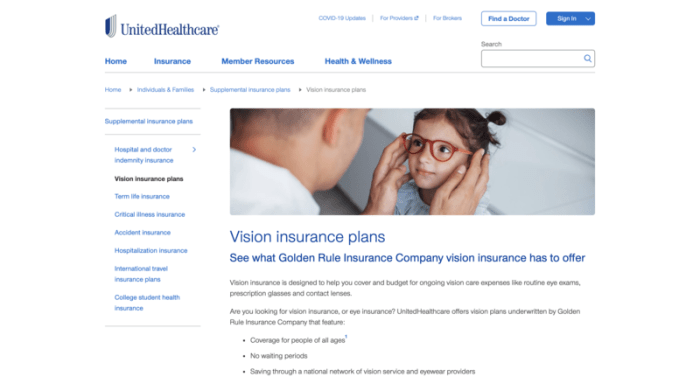
Understanding various types of insurance is crucial for safeguarding your assets and ensuring peace of mind in different aspects of life. Each insurance type serves a unique purpose and can provide significant benefits, depending on individual circumstances. Here’s a look at some essential insurance types that complement vision insurance and are beneficial for a range of situations.
Pet Insurance
Pet insurance is designed to cover veterinary expenses for pets, helping alleviate the financial burden of unexpected medical issues. As pet ownership continues to rise, the importance of having pet insurance becomes evident, especially considering the soaring costs of veterinary care. Many pet insurance plans also offer coverage for routine care, such as vaccinations and check-ups, thereby promoting preventive health measures.
- Financial Protection: Pet insurance can cover a variety of treatments, from emergencies to surgeries, allowing pet owners to make health decisions based on their pet’s needs rather than financial constraints.
- Peace of Mind: Knowing that you can afford treatment for your pet can reduce stress and enable pet owners to focus on their pet’s well-being.
- Variety of Plans: Different plans cater to various needs, with options for comprehensive coverage or basic plans that focus on emergencies.
Supplemental Insurance
Supplemental insurance complements existing health coverage, filling in gaps that primary insurance may leave unaddressed. This type of insurance is essential for managing out-of-pocket expenses that can arise from high deductibles, copayments, and uncovered services.
- Types of Coverage: Supplemental insurance can include plans for dental, vision, critical illness, or accident-related expenses.
- Cost-Effectiveness: By covering costs not included in primary insurance, supplemental plans can lead to significant savings over time.
- Accessibility to Care: Supplemental insurance allows individuals to access a wider range of healthcare services without the stress of high costs.
Travel Insurance
Travel insurance is vital for frequent travelers, providing coverage for various unexpected events that may occur while traveling, such as trip cancellations, medical emergencies, and lost luggage. This type of insurance ensures that travelers can enjoy their trips with confidence, knowing that they are protected.
- Trip Cancellation Coverage: This aspect of travel insurance helps recover costs in the event a trip must be canceled due to unforeseen circumstances.
- Medical Coverage Abroad: Travel insurance provides medical coverage for emergencies that occur outside of the insured’s home country, which is crucial since many domestic health plans do not cover international medical expenses.
- Emergency Assistance: Many travel insurance policies offer 24/7 assistance services, helping travelers navigate emergencies regardless of the location.
Umbrella Insurance
Umbrella insurance provides additional liability coverage that goes beyond the limits of standard insurance policies. This type of insurance is particularly beneficial for individuals with higher net worths or those at risk of being sued for substantial damages.
- Extra Liability Protection: Umbrella insurance kicks in when the liability limits of auto or homeowners insurance are exhausted, covering additional costs in lawsuits.
- Global Coverage: It typically offers worldwide coverage, protecting policyholders from claims that occur outside their home country.
- Cost-Effective: Umbrella insurance often provides extensive coverage at a relatively low cost, making it an attractive option for many households.
Watercraft Insurance
Watercraft insurance is designed to protect boats, yachts, and other watercraft against damages, theft, or liability claims. Given the investment involved in owning watercraft, having adequate insurance is crucial for maintaining ownership without undue financial risk.
- Coverage for Damage: This insurance typically covers physical damage to the watercraft itself, including damages from accidents or severe weather conditions.
- Liability Coverage: Watercraft insurance includes liability protection that covers damages or injuries caused to others while operating the watercraft.
- Personal Property Protection: Many policies also cover personal belongings on board, providing peace of mind when enjoying time on the water.
Structuring Content for Insurance Types
In the realm of vision insurance, organizing information effectively can assist consumers in making informed choices. The comparison of various insurance plans not only highlights differences but also helps potential customers understand what each provider can offer. A well-structured content layout can showcase essential features and benefits, making navigation through different options smoother and more intuitive.Creating a comparative table serves as an excellent visual aid to summarize the features of different vision insurance plans.
This table can display key attributes such as monthly premiums, coverage limits, types of services included, and the network of providers.
Comparative Table of Vision Insurance Plans
The following table Artikels essential features across various vision insurance plans, enabling easy comparison:
| Insurance Provider | Monthly Premium | Annual Deductible | Coverage Limit | In-Network Providers |
|---|---|---|---|---|
| Provider A | $25 | $0 | $200 | 100+ |
| Provider B | $30 | $10 | $250 | 80+ |
| Provider C | $20 | $0 | $150 | 120+ |
Benefits of Related Insurance Types
Understanding the benefits of related insurance types can provide a broader perspective on why vision insurance is essential. Here are key points summarizing the advantages of each type:
- Health Insurance: Often includes vision care, allowing for comprehensive health coverage that can reduce out-of-pocket expenses for eye examinations and treatments.
- Dental Insurance: While primarily focused on oral health, many plans offer bundled deals with vision insurance, providing cost savings for those needing multiple types of care.
- Flexible Spending Accounts (FSAs): Allow users to set aside pre-tax dollars for medical expenses, including vision care, maximizing savings on necessary eye-related costs.
Customer Reviews and Ratings for Vision Insurance Providers
Customer feedback is invaluable when assessing the quality and effectiveness of vision insurance providers. Below is a summary of feedback highlighting customer experiences:
Provider A is praised for its wide network of eye care professionals and straightforward claims process. Customers often report high satisfaction with their customer service.
Provider B receives mixed reviews, with some customers appreciating their comprehensive coverage but noting that premiums can be higher than competitors.
Provider C is frequently commended for its affordability and ease of use, although some users mention limited options for advanced eye care treatments.
The structure and content provided here facilitate easy navigation and understanding, aiding potential customers in their search for the best vision insurance plan tailored to their needs.
Conclusive Thoughts
In summary, navigating the landscape of vision insurance providers doesn’t have to be daunting. By comparing features, understanding costs, and considering customer feedback, you can confidently select a plan that meets your needs. Remember, the right vision insurance is not just about price; it’s about securing peace of mind and maintaining your eye health for years to come.
FAQ Guide
What factors should I consider when comparing vision insurance providers?
Consider premiums, deductibles, coverage options, and customer service ratings.
Are there any waiting periods for vision insurance coverage?
Yes, many plans may have waiting periods before certain benefits become available.
Can I use my vision insurance for glasses and contact lenses?
Most vision insurance plans cover both glasses and contacts, but check your specific policy for details.
Is vision insurance worth it if I have good eyesight?
Even if you have good eyesight, vision insurance can help cover unexpected costs for exams and corrective lenses.
How often can I get an eye exam with vision insurance?
Typically, plans allow for an eye exam every 12 to 24 months, depending on the policy.


